At some point, you may notice your lashes don’t look the way they used to—not as long, not as full, not quite the same. And once you notice it, it’s hard to unsee, and even harder to leave the house without a few coats of mascara.
If you’ve ever searched “castor oil for eyelashes” in hopes of restoring natural length and fullness, you’re not alone. It’s often one of the first solutions people consider, and for good reason: it’s simple, affordable, and available at nearly every drugstore within a five-mile radius.
Does Castor Oil Actually Grow Eyelashes?
Short answer: not exactly. Castor oil doesn't stimulate new lash growth or extend your natural growth cycle. What it does do is condition the lashes you already have — keeping them soft, hydrated, and less prone to breakage. The result can be a fuller-looking lash line, but the effect is cosmetic and surface-level, not regenerative.
So does castor oil grow eyelashes back? And how does it compare to more targeted, science-led solutions like lash serums?
Let’s take a closer look.
What Is Castor Oil for Eyelashes and Why Is It a Staple in the Beauty Industry?
Castor oil is a dense oil derived from the seeds of the Ricinus communis plant. It’s rich in ricinoleic acid, a fatty acid known for its conditioning properties.
In the beauty world, castor oil is prized for these properties—it’s often used to soften hair, helping to restore moisture and improve overall texture.
What Does Castor Oil Do for Eyelashes?
Castor oil is great for nourishing the lashes you already have. It coats each lash, helping to lock in moisture and preventing breakage over time. That means that lashes may stay put longer and start to look fuller as a result.
But its benefits remain surface level—it doesn’t get to the root cause of growth and fallout in the same way that science backed lash serums do.
Eyelash Growth: What’s Really Happening Beneath the Surface
Eyelashes follow a natural growth cycle made up of three phases: a growth phase (called the anagen phase), a transition phase, and a resting phase. The anagen phase determines how long lashes grow and how dense they appear. Compared to the strands of hair on your head, this phase is much shorter, limiting how long and lush lashes can ultimately become. Genetics also play a defining role in how long your lashes grow.
Daily habits matter, too. Rubbing your eyes, removing makeup too harshly or piling on eyeliner and mascara every day can all contribute to premature breakage and fallout, subtly impacting the look of fullness over time.

Benefits of Using Castor Oil on Eyelashes
Castor oil conditions your lashes, supporting the look of healthier lashes. Key benefits include:
- Long-lasting moisture: it nourishes dry lashes, helping boost softness.
- Less breakage: softer, well conditioned lashes mean that they’ll also be less prone to breakage.
- More even lash line: keeping your lashes healthy and intact helps your lash line look fuller.
Changes don’t happen overnight, but with consistent use, lashes may appear smoother, softer and healthier over time.
How to Apply Castor Oil on Eyelashes Safely
Before bed, wash your face and remove any makeup. Then, grab a cotton swab and dip the end in a tiny bit of oil.
Brush a thin, light layer over the middle and tip of your lashes. (Don't apply it right at the roots—excess oil might slip into your eyes and cause irritation.)
If you have sensitive eyes or wear contacts, patch test the oil on a small area of your skin first to check for any reactions.
Potential Risks and Considerations
While most people use castor oil regularly without issue, it can cause irritation if it slips into your eyes.
Allergic reactions aren't common, but they do happen. Testing a small amount on your skin first can help you spot any problems before applying the oil near your eyes. Notice any swelling or discomfort? Stop using it.
The quality of the oil matters, too. Look for cold-pressed, hexane-free castor oil for lashes—it's usually cleaner and less likely to cause irritation.

Castor Oil vs Lash Serum: Here’s What to Know
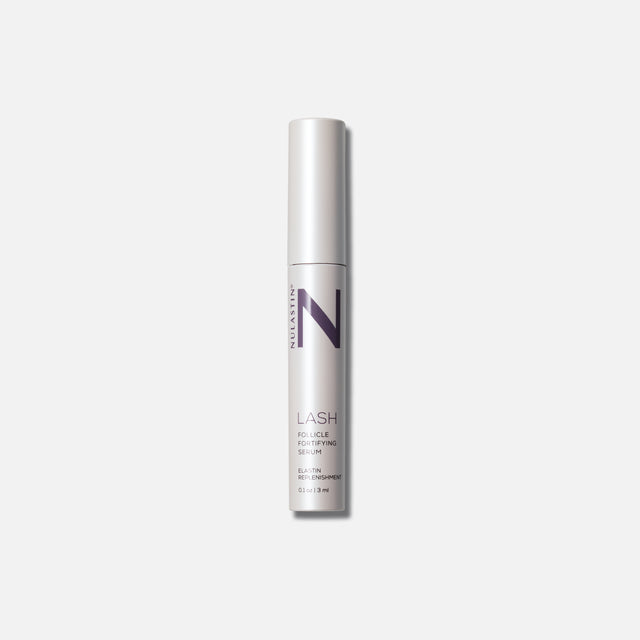
While castor oil for lashes is great for conditioning your existing lashes and reducing breakage, its benefits are surface level—it doesn’t get to the root cause of fullness and fallout. That’s where NULASTIN’s Lash Follicle Fortifying Serum takes a different approach.
Powered by patented Elastaplex® Technology—a blend of biodesigned proteins and signal peptides—this bestselling serum supports lashes at the follicle level. It’s formulated to help boost elastin, a protein that helps firmly anchor each hair at the root. This helps reduce visible fallout and supports the look of longer, fuller looking lashes over time.
With consistent use, you can expect visible results in as soon as 6 weeks, with even more wow at 12 weeks and beyond. Even better, this routine is simple and safe—application takes just 10 seconds, and the formula is non-irritating and ophthalmologist-tested.
The Bottom Line
Castor oil is often one of the first solutions people reach for when lashes begin to thin. But is castor oil good for eyelashes?
The answer is yes—with the right expectations. Castor oil can help keep lashes soft, conditioned and less prone to breakage, supporting their overall look and feel over time. But when it comes to castor oil for eyelash growth, it might not be the most ideal solution.
For those looking to enhance the look of volume and length naturally, a more targeted approach—one that supports the follicle at the root—can make all the difference in promoting the lush, voluminous-looking lashes you’re longing for.